
The United States has lost its status as a country that has eliminated measles, marking the first time in 26 years that the nation has failed to meet the international benchmark. Researchers with knowledge of the decision confirmed the change to KFF Health News on Saturday, November 14, according to a report republished by CBS News.
The ruling comes from the Pan American Health Organization, which monitors measles across North and South America on behalf of the World Health Organization. It follows a year of record-breaking spread, with outbreaks reaching nearly every state and the death toll rising as winter approaches.
The story in 7 points
- The U.S. has lost its measles elimination status, according to researchers familiar with the decision who spoke to KFF Health News.
- The determination comes from the Pan American Health Organization (PAHO), the World Health Organization’s office for the Americas.
- It is the first time the country has fallen short of the standard since measles was declared eliminated in the U.S. in 2000.
- The CDC has counted 5,412 measles cases so far in 2026, with more than 590 hospitalizations, in 45 states and Washington, D.C.
- Pennsylvania has the largest outbreak, with more than 1,500 cases and seven deaths reported by state officials.
- State reports put measles-associated deaths at 10 this year; the CDC’s own count stands at six.
- PAHO is expected to discuss the decision at a news conference on Tuesday.
Under the WHO definition, a country keeps its elimination status only if no chain of local measles transmission lasts 12 months or longer. About a third of this year’s cases are linked to outbreaks that started in 2025 and never fully stopped, which put the U.S. past that threshold.
The scale of 2026 dwarfs recent years. The CDC recorded 2,242 cases and three deaths in all of 2025, while this year’s tally has already topped 5,400 cases, with 43 new outbreaks of three or more linked infections. Pennsylvania reported 1,542 confirmed cases as of Friday and Wisconsin 651, according to Al Jazeera. Wisconsin officials reported the death of an infant on Friday, and New York recorded its first measles death in more than 30 years earlier this month.
How deaths are counted has become a point of dispute. Al Jazeera reported that Health and Human Services Secretary Robert F. Kennedy Jr. asked the CDC not to include some state-reported deaths in the federal total, saying there was no evidence they were caused by measles. Pennsylvania counts a death within 30 days of symptoms unless another cause is clear. The CDC says it is working with state epidemiologists on a common definition.
Why it matters
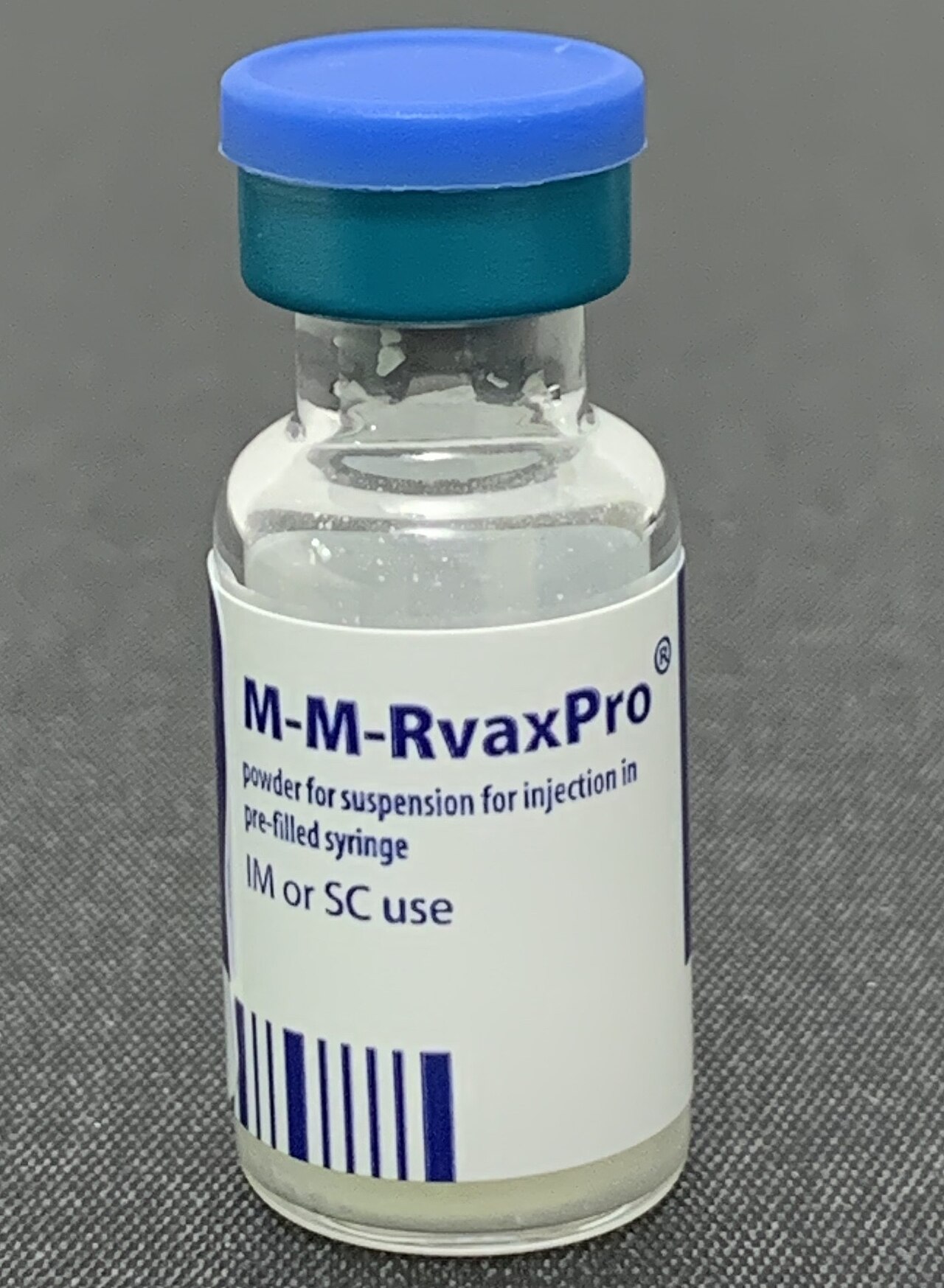
Measles is one of the most contagious diseases known, and elimination status signals that a country can stop imported cases from taking hold. Losing it reflects falling vaccination rates: kindergarten MMR coverage has slipped from 95.2% in the 2019-20 school year to 92.4% in 2025-26, below the 95% level PAHO says is needed to block sustained spread. CBS reported that 96% of this year’s cases were in people who were unvaccinated or whose vaccination status was unknown. Two doses of the MMR vaccine are about 97% effective.
Health experts note that vaccine requirements for schools are set by states. CBS medical contributor Dr. Céline Gounder said several states made it easier to opt out in 2025, while states that ended nonmedical exemptions saw kindergarten vaccination rates rise by two to four points.
What happens next: PAHO is expected to address the decision publicly on Tuesday. To regain elimination status, the U.S. would need to end local transmission for more than 12 months and have its surveillance data verified by PAHO. Most state legislatures, where exemption rules are decided, return in January.
Sources: CBS News, Al Jazeera